
Contact Us
If you have a question for Harris County ESD 21, please use the form below and we will get back to you as soon as we can. So if you have a public appearance request, would like to be trained on CPR, or even if you have a concern or complaint, just use the form below to let us know
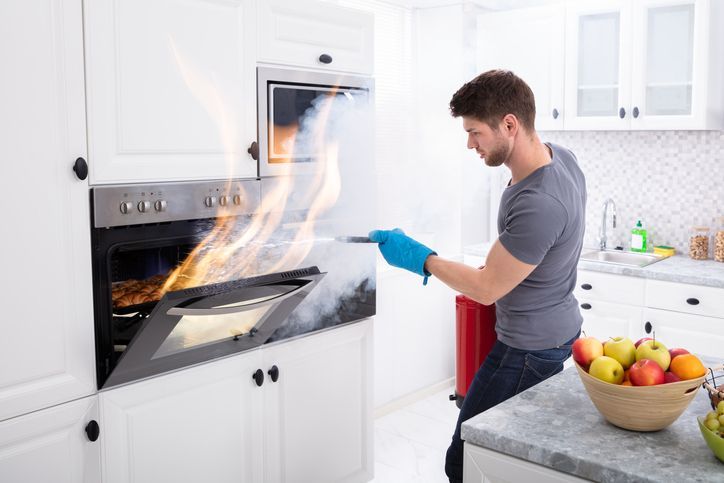
A fire extinguisher is a simple but essential tool that can make the difference between a minor incident and a major disaster. Knowing where to place them and how to use them is key to keeping your home safe. Where to Place Fire Extinguishers Fire extinguishers should be placed in easily accessible locations, especially in high-risk areas: Kitchen: The number one spot for house fires. Keep the extinguisher near the exit, not next to the stove. Garage or Workshop: Especially where flammable materials or power tools are stored. Laundry Room: Dryers can overheat or catch fire from lint buildup. Each Level of the Home: Ideally, every floor should have at least one extinguisher. Mount extinguishers on walls at eye level and ensure all adults in the home know where they are located. How to Use a Fire Extinguisher: The PASS Method Pull the pin. Aim low at the base of the fire. Squeeze the handle. Sweep from side to side. Always stand with a clear path behind you in case the fire becomes unmanageable. If the fire grows or you feel unsafe, evacuate immediately and call 911. Regular Maintenance Check the pressure gauge monthly to ensure it’s charged. Replace or service extinguishers according to manufacturer guidelines or if any signs of damage are visible. Being prepared and confident in using a fire extinguisher can save lives and property. Take a few minutes today to check your home’s coverage.
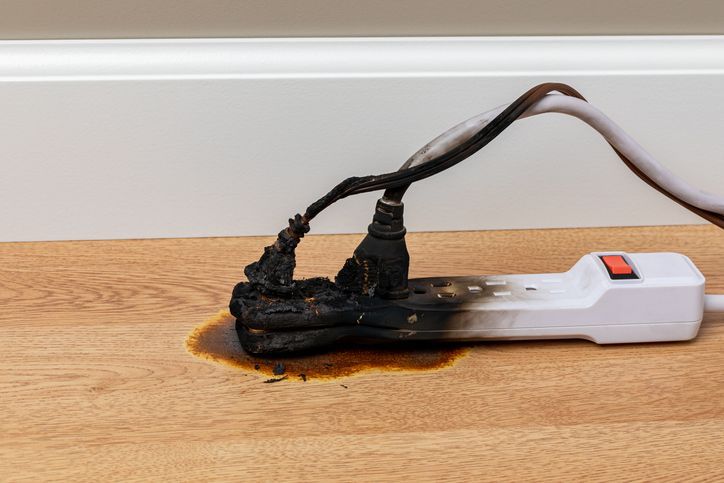
Electrical fires are among the leading causes of house fires—and many are preventable. By following a few smart practices, you can reduce the risk and keep your family safe. 1. Don’t Overload Outlets Plugging too many appliances into one outlet can cause overheating. Use power strips with surge protection and avoid daisy-chaining extension cords. 2. Inspect Cords and Appliances Check cords for fraying, cracking, or exposed wires. Unplug and replace any damaged cords immediately. Don’t run cords under rugs or furniture where they can be damaged or overheat. 3. Use the Right Wattage Always use bulbs with the correct wattage for your lamps and fixtures. Using higher wattage than recommended can cause overheating. 4. Avoid DIY Electrical Work Unless you’re a licensed electrician, leave wiring projects to professionals. Faulty installation is a major fire risk. 5. Install AFCIs and GFCIs Arc Fault Circuit Interrupters (AFCIs) and Ground Fault Circuit Interrupters (GFCIs) provide enhanced protection. They detect dangerous conditions and shut off power before a fire can start. 6. Know the Warning Signs If lights flicker, circuit breakers trip often, or outlets feel warm, these could be signs of trouble. Have an electrician inspect your system promptly. Preventing electrical fires is all about awareness and proactive care. Don’t wait until there’s a spark—take steps now to secure your home’s electrical safety.

Water can be both fun and dangerous. Children, especially toddlers, are at high risk of drowning, even in small amounts of water. Here’s how to keep your home safe. 1. Watch Kids Constantly Around Water Supervision is the number one rule. Never leave children alone in bathtubs, near pools, or even around buckets of water. Drowning can happen in seconds and in as little as 1 inch of water. 2. Secure Pools and Hot Tubs Install a four-sided fence with a self-latching gate around any backyard pool. Pool alarms and safety covers add an extra layer of protection. 3. Empty and Store Containers Buckets, kiddie pools, coolers, and even bathtubs should be emptied immediately after use. Store them upside down so they don’t collect rainwater. 4. Install Toilet Locks Toddlers are curious and can tip into toilets headfirst. A simple toilet lock can prevent accidents in the bathroom. 5. Teach Water Safety Early Enroll kids in swim lessons when they are developmentally ready. Teach them never to go near water without an adult and reinforce these rules regularly. 6. Know Emergency Steps Learn CPR and keep emergency numbers posted near all phones. Seconds count in a drowning situation. Water safety starts at home, and vigilance is key. These simple precautions can help ensure that water play stays safe and enjoyable.